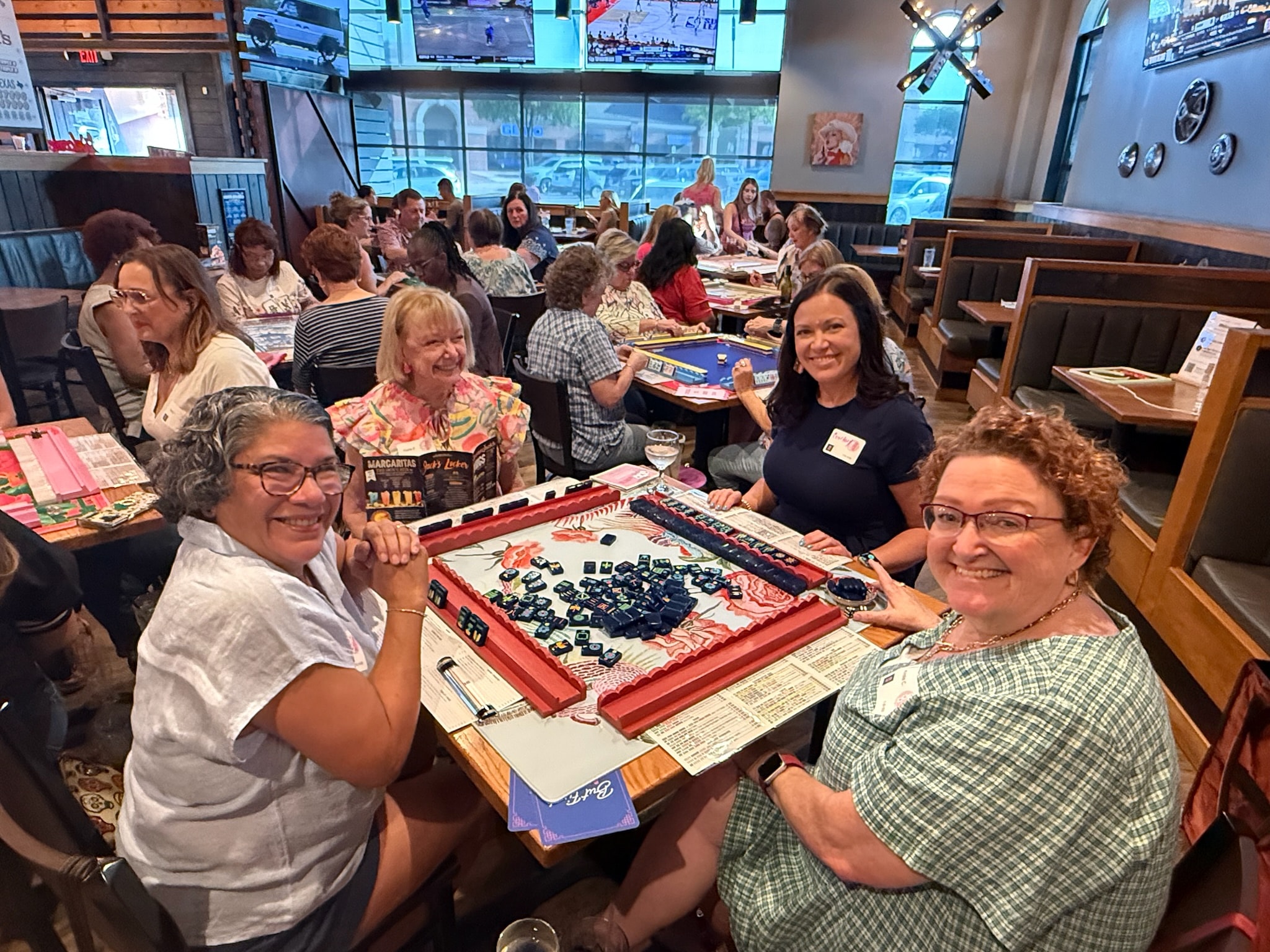
What to Expect at Your First Mahjong Class in Fort Worth
Never played mahjong before? Here is exactly what happens at a beginner mahjong class in Fort Worth — so you can walk in confident and ready to play.
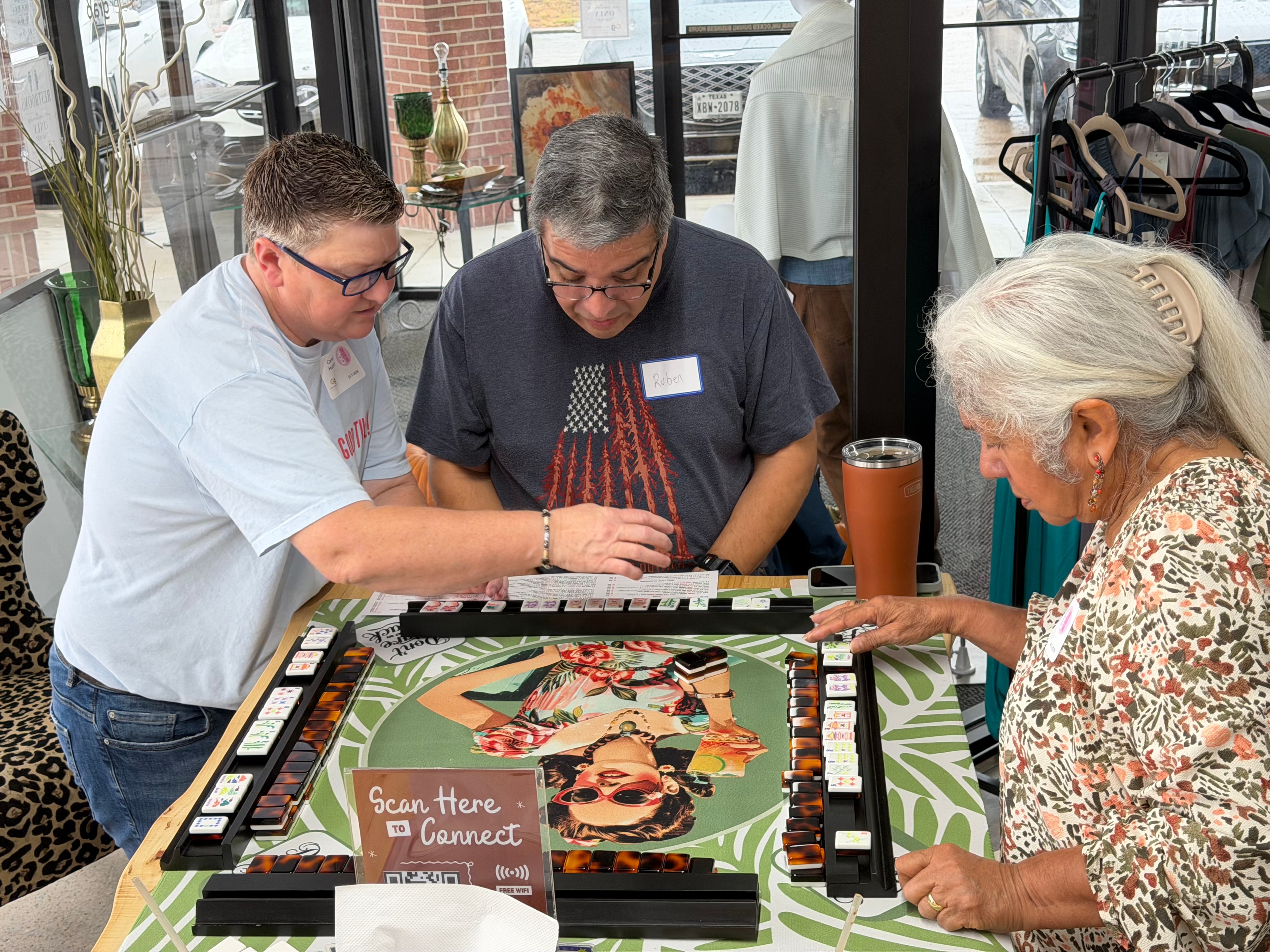
Walking into your first mahjong class can feel a little intimidating — especially if you've tried to learn from YouTube and ended up more confused than when you started. The good news: a well-taught beginner class makes everything click in a way that solo studying never does. Here's exactly what to expect at your first mahjong class at Bam Good Time Fort Worth.
Before You Arrive
You don't need to prepare anything. Seriously — show up as you are.
You don't need to memorize rules in advance. You don't need to own tiles or a card. You don't need any prior experience with mahjong, card games, or strategy games. Everything you need will be provided, and everything you need to know will be taught.
The one thing worth doing beforehand: arrive with an open mind and a willingness to laugh at yourself a little. Mahjong has a learning curve, and the fastest learners are the ones who aren't afraid to ask questions or make mistakes.
The Format: Tiles & Tactics
Bam Good Time's beginner class is called Tiles & Tactics, and it's structured in two parts: a lesson followed by guided play.
The lesson portion covers everything you need to know to sit down at a real table:
- Tile recognition — learning the suits, honors, and jokers
- The NMJL card — how to read it and use it during play
- Basic rules — how a hand is built, how turns work, how to win
- Table etiquette — the unwritten rules that make the game run smoothly
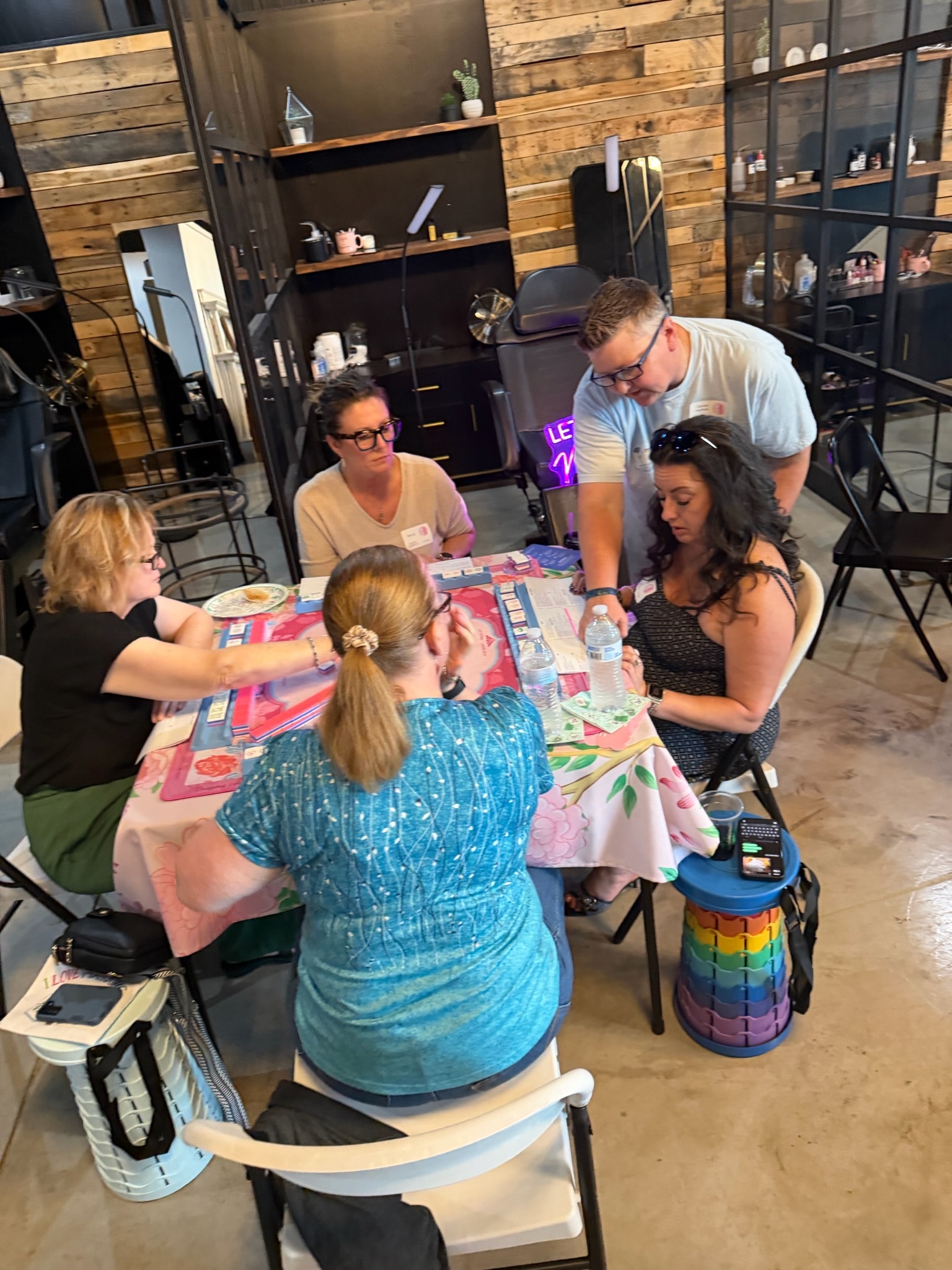
The guided play portion is where it all comes together. You'll play real hands with an instructor at the table to answer questions and help you work through decisions in real time. This is where most people have their "aha" moment — when the rules stop being abstract and start making sense in context.
What the Tiles Look Like
American Mahjong uses 152 tiles divided into several categories:
Suits: Bams (bamboo sticks), Craks (Chinese characters), and Dots (circles) — numbered 1 through 9 in each suit.
Honors: Winds (North, South, East, West) and Dragons (Red, Green, White).
Flowers and Jokers: These are unique to American Mahjong and are a big part of what makes the game strategic. Jokers are wild and can substitute for any tile in a set.
Don't worry about memorizing all of this before class. Your instructor will walk you through each category, and after a few hands, you'll recognize them automatically.
The NMJL Card: Your Most Important Tool
The National Mah Jongg League publishes a new card every year with the winning combinations for that year. Every hand you build must match one of the patterns on the card exactly — and the card changes annually, which is part of what keeps the game fresh and interesting.
In class, you'll learn how to read the card, understand the notation, and use it to plan your hand. By the end of the session, you'll be consulting it naturally, just like every other player at the table.
Your First Real Hand
There's a moment in every beginner class when the instructor says "okay, let's play" — and suddenly everything you just learned has to happen in real time. It's a little chaotic at first, and that's completely normal.
You'll draw tiles, look at your hand, consult your card, and try to figure out what you're building toward. You'll probably change your strategy mid-hand. You might accidentally discard something you needed. You might win on your very first game — it happens more than you'd think.
The instructor will be right there to help you think through decisions without just telling you what to do. The goal is for you to develop your own instincts, not to follow a script.
After Class: What Comes Next
Most people leave their first Tiles & Tactics class feeling energized and wanting to play again immediately. That's the right instinct — follow it.
The best next step is to join an open play session. Open play is a drop-in format where you play with other players of mixed skill levels. It's where you take what you learned in class and put it into practice in a real game without an instructor guiding every move.
Many players also sign up for the 4-Week Friendly League, which gives you a structured season of play with the same group of people. It's a great way to build consistency and really develop your game.
A Few Tips for Your First Class
Sit near the instructor if you can. You'll be able to ask questions more easily and see the tiles more clearly.
Don't be afraid to say "I don't understand." Your instructor has heard it before and will be happy to explain it a different way.
Focus on one hand at a time. Don't try to memorize the whole NMJL card on day one. Pick one or two patterns you like and build toward those.
Have fun. Mahjong is a game. The tiles will make more sense every time you play, and the community at Bam Good Time will make the learning process genuinely enjoyable.
Ready to Book Your First Class?
Tiles & Tactics sessions run regularly throughout the month at Bam Good Time Fort Worth. Spots are limited and fill up fast — especially around themed events and holidays. Check the current schedule and register through the Square booking page to claim your seat.
Your first mahjong class is closer than you think. See you at the table.
Explore Topics
Written by
Bam Good Time Fort Worth
Content creator and writer sharing insights and stories.